

Bronchitis
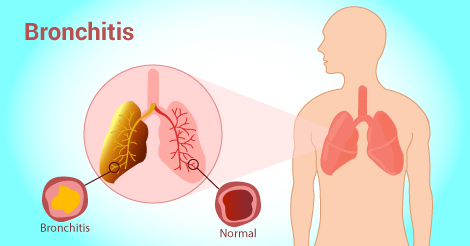
Summary of Bronchitis
Bronchitis – an inflammation of the bronchial tubes may be caused by smoking, air pollution and/or viral/bacterial infections. Complications of a cold or flu may lead to acute bronchitis, which can be treated with bed rest and by drinking plenty of fluids and staying indoors in damp, cold weather. Suffering from a series of acute bronchitis attacks, smoking heavily or inhaling contaminated air for prolonged periods may result in chronic bronchitis. Since chronic bronchitis can be life–threatening, it should receive professional medical attention, no matter what its underlying cause.
Bronchitis
Expert's Advice on Typhoid

Typhoid: Protection and purification of drinking water supplies, improvement of basic sanitation, and promotion of food hygiene are essential measures to interrupt transmission of typhoid fever. read more…




Health Professional's Negligence
Records of published articles in the newspapers helps common people about precautions to be taken while seeking the services from health professionals and also helps health professionals to rectify the negligence.read more…